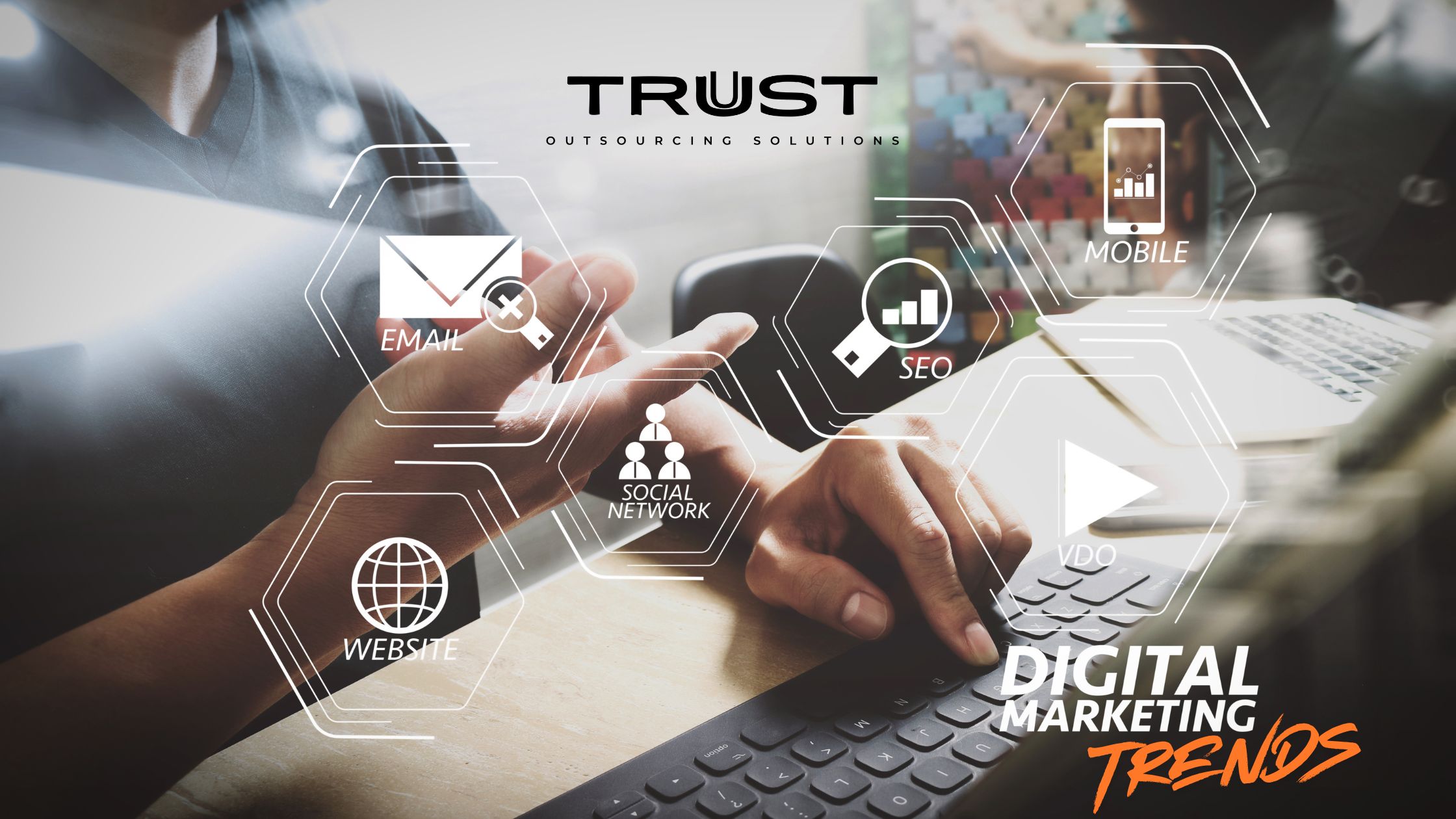
The Future of Digital Marketing in 2026
Digital marketing is no longer just about visibility—it’s about precision, personalization, and performance. As we move deeper into 2026, businesses are navigating a rapidly evolving landscape shaped by artificial intelligence, automation, and advanced data analytics. The brands that succeed are not necessarily the loudest—but the smartest in how they connect, engage, and convert.
This shift is redefining how companies approach marketing strategy, customer experience, and long-term growth.
1. AI-Powered Marketing Is Becoming the Standard
Artificial intelligence is no longer a “nice-to-have”—it’s now at the core of modern marketing systems.
From predictive analytics to AI-generated content and automated campaign optimization, businesses are leveraging AI to:
Analyze customer behavior in real-time
Personalize messaging at scale
Optimize ad performance with minimal manual input
Forecast trends and customer intent
AI allows marketers to move from reactive decisions to proactive strategies. Instead of guessing what works, brands can now rely on data-driven insights to refine every touchpoint.
2. Hyper-Personalization Drives Engagement
Generic marketing is losing its impact. In 2026, personalization has evolved into hyper-personalization, where every interaction is tailored based on user behavior, preferences, and intent.
Consumers expect:
Relevant product recommendations
Personalized email journeys
Dynamic website experiences
Content that speaks directly to their needs
With the integration of customer data platforms (CDPs) and AI tools, businesses can create highly targeted campaigns that improve engagement, build trust, and increase conversion rates.
3. Automation Is Reshaping Marketing Operations
Marketing automation is streamlining workflows and eliminating repetitive tasks, allowing teams to focus on strategy and creativity.
Key areas where automation is transforming operations include:
Lead nurturing and email sequences
Social media scheduling and content distribution
Customer segmentation and targeting
Performance tracking and reporting
Automation not only improves efficiency but also ensures consistency across campaigns—resulting in better customer experiences and stronger brand positioning.
4. Data-Driven Decision Making Is Non-Negotiable
In 2026, data is the foundation of every successful marketing strategy.
Businesses are now prioritizing:
First-party data collection (due to privacy changes and cookie limitations)
Real-time analytics dashboards
Customer journey tracking across multiple channels
ROI-focused campaign measurement
Marketers who rely on intuition alone are falling behind. The competitive advantage lies in the ability to interpret data accurately and turn insights into actionable strategies.
5. Omnichannel Marketing Is Essential for Growth
Consumers no longer interact with brands through a single platform. They move seamlessly between social media, websites, email, search engines, and messaging apps.
This makes omnichannel marketing critical.
A strong omnichannel strategy ensures:
Consistent brand messaging across all platforms
Seamless customer experience from discovery to conversion
Higher engagement and retention rates
Businesses that integrate their channels effectively can create a unified experience that builds trust and drives long-term loyalty.
6. Content Is Evolving—But Still King
While content remains a core pillar of digital marketing, the format and delivery are evolving.
In 2026, high-performing content includes:
Short-form videos (Reels, Shorts, TikTok-style content)
Educational and value-driven blogs
Interactive content (polls, quizzes, live sessions)
Authentic storytelling over polished advertising
Audiences are gravitating toward content that is informative, relatable, and easy to consume. The focus is no longer just on selling—but on delivering value.
7. Trust, Transparency, and Privacy Matter More Than Ever
With growing concerns around data privacy, consumers are becoming more selective about the brands they engage with.
Businesses must now:
Be transparent about data usage
Implement secure systems to protect customer information
Build credibility through consistent and honest communication
Trust is becoming a key differentiator—and brands that prioritize it will gain a stronger competitive edge.
The future of digital marketing in 2026 is defined by intelligence, integration, and innovation. AI, automation, and data analytics are not just trends—they are the foundation of modern marketing success.
Businesses that adapt quickly, invest in the right technologies, and focus on delivering personalized, data-driven experiences will be best positioned for sustainable growth.
If your business is ready to adapt to the future of digital marketing, having the right strategy and support makes all the difference.
Explore how tailored digital marketing solutions, automation, and data-driven strategies can elevate your brand’s performance. Visit Trust Outsourcing Solutions to learn more about their services and discover how your business can scale smarter, faster, and more efficiently.